Artificial Intelligence, or AI, is all about making machines think and learn like humans. It's not just a buzzword; it’s changing how we interact with technology every day. From your smartphone recognizing your voice to self-driving cars, AI is behind some pretty cool innovations.
At its core, AI involves two main concepts: machine learning and natural language processing. Machine learning is how computers get better at tasks through experience. Think of it like this: the more data an AI gets, the smarter it becomes. For instance, when you use music apps, they learn your preferences over time and suggest songs you might like based on what you’ve listened to before.
Natural language processing, or NLP for short, lets machines understand human language. This means AI can chat with you, answer your questions, or even write stories. Have you ever used a virtual assistant like Siri or Alexa? They’re masters of NLP, handling your commands and questions in a way that feels natural.
Understanding these basic concepts helps us see how AI is shaping our daily lives. It’s about more than fancy tech. It's about making our routines easier, smarter, and a bit more fun. As AI continues to grow, the possibilities feel endless, and it’s exciting to think about what’s next!
Early Innovations in AI Technology
Way back in the 1950s, the seeds for artificial intelligence were planted. Researchers started dreaming about machines that could think and learn like humans. They didn’t have fancy computers back then, just a bunch of ideas. This period saw some fascinating experiments that laid the groundwork for AI as we know it.
A key player was Alan Turing, a brilliant mathematician. He proposed the famous Turing Test, a way to see if a machine could exhibit intelligent behavior. If you couldn't tell if you were talking to a human or a computer, it passed! This idea sparked a lot of discussions about what it really means to be smart.
In 1956, a group of researchers got together at Dartmouth College and officially kicked off AI as a field. They wanted to explore how machines could learn to solve problems. This get-together is often seen as the birth of AI research. They created early programs that could play games like chess and solve math problems. These innovations were basic by today’s standards, but they ignited a lot of excitement and curiosity.
Another early milestone was the development of perceptrons in the late 1950s. These are simple neural networks that mimic how the human brain works. Even though they were limited in what they could do, they opened the door to more complex models. People realized that machines could learn from data, which was a game changer for the future of AI.
The Impact of AI on Society
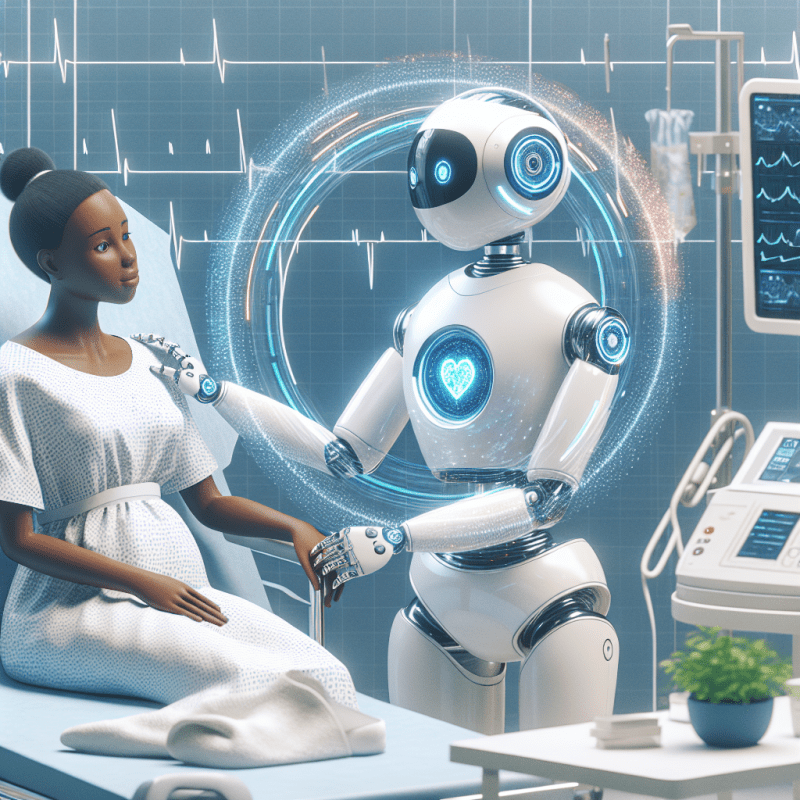
AI is changing the way we live and work in some pretty amazing ways. It's not just about robots and sci-fi movies anymore. AI is influencing everything from healthcare to education, making services smarter and more personalized. For example, in healthcare, AI can help doctors diagnose patients faster and more accurately. Imagine a world where AI assists in discovering new treatments or even predicting outbreaks before they happen.
In education, AI tailors learning experiences to fit each student’s needs. It can identify where a student struggles and suggest resources to help them improve. This means students get a more individualized approach, making learning a lot more effective. It can even help teachers manage their classrooms by automating administrative tasks, allowing them to focus on teaching.
In our daily lives, AI pops up in everything from virtual assistants like Siri and Alexa to recommendation systems on Netflix and Amazon. These tools learn our preferences and help us make decisions, save time, and sometimes even discover new interests we didn’t know we had. It’s like having a personal shopper or an entertainment buddy. Who wouldn’t want that?
Of course, with all these advancements come challenges. Job displacement is a big concern as AI takes on tasks that humans used to do. But there’s also the opportunity to create new jobs in fields we haven't even imagined yet. Society has to adapt, and that means figuring out how to work alongside AI rather than against it.
Future Trends in Artificial Intelligence
Artificial intelligence is changing the game, and the future looks bright! We’re not just talking about robots and smart assistants. AI is weaving its way into almost everything we do. From healthcare to education, it’s going to keep getting smarter and more useful.
One exciting trend is the rise of AI in personalized learning. Imagine an educational system that adapts to your unique style and pace. Students can get the help they need, when they need it, making learning more effective and engaging. This kind of tailored experience can open doors for many who struggle in traditional classroom settings.
Another area to watch is AI in healthcare. Picture AI systems that can analyze your medical history and predict health issues before they even happen. This could lead to earlier interventions and personalized treatment plans. We’re talking about healthier lives and maybe even longer ones!
Don’t forget about AI in the creative world. From generating art to writing music, AI is becoming a tool for creators. Artists can use AI to spark inspiration or experiment with new styles, opening up a whole new realm of possibilities. It’s a partnership that could lead to works we’ve never imagined.
Looking into the future, AI is set to become more accessible. With user-friendly tools and platforms, even those without tech backgrounds can harness the power of AI. This democratization could lead to a wave of innovation, as everyday people use AI to tackle problems and bring new ideas to life.