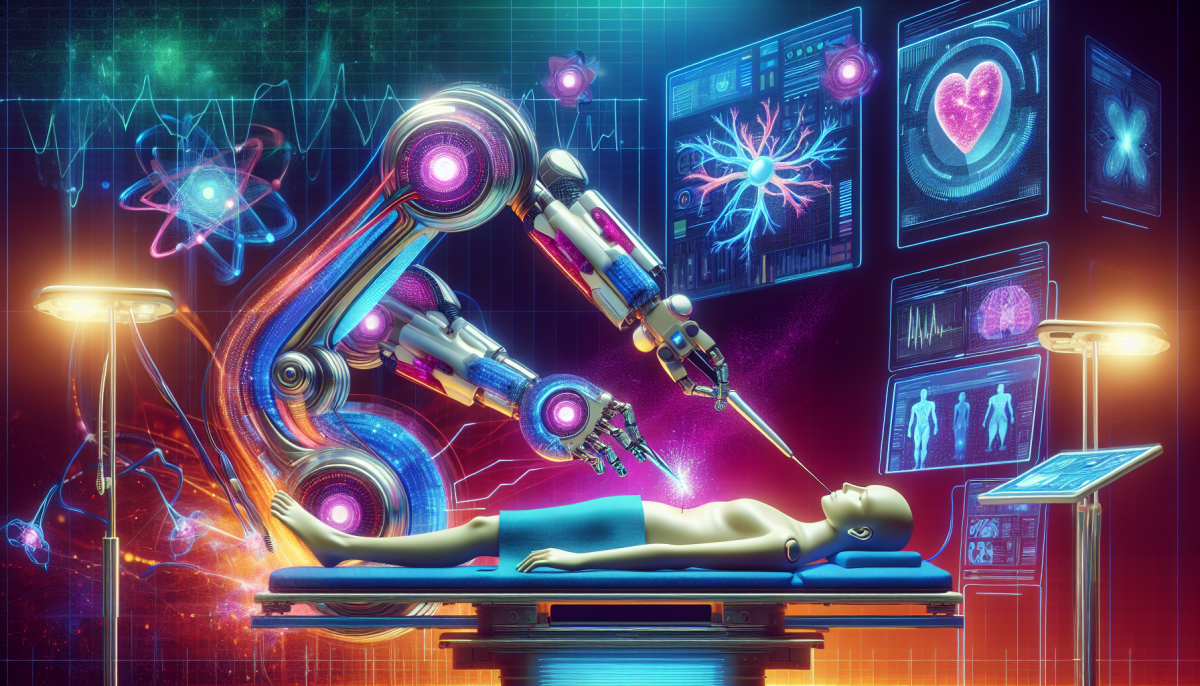
AI is changing the way we take care of patients, and it's pretty exciting. Imagine a world where doctors have super-smart assistants that help them make quicker, more accurate decisions. AI can analyze mountains of medical data in no time, spotting patterns that might be hard for humans to see. This can lead to earlier diagnoses and better treatment plans tailored to each individual.
One of the coolest benefits of AI is its ability to personalize patient care. Instead of a one-size-fits-all approach, AI algorithms can suggest treatments based on a person’s unique medical history and genetic makeup. For instance, AI can help predict how patients will respond to certain medications, which means less trial and error and more effective results from day one.
AI can also take a load off healthcare providers by automating mundane tasks. Think about scheduling appointments, managing medical records, or even following up with patients. With AI handling these chores, doctors and nurses can focus more on what they do best—caring for patients. This not only improves the efficiency of healthcare systems but also boosts patient satisfaction.
Additionally, AI-powered tools can enhance remote patient monitoring. Devices can track vital signs and send alerts if something seems off, so healthcare teams can jump in before a small issue spirals into a bigger problem. It’s like having a safety net that helps keep patients well without always needing to step into the clinic.
Streamlining Operations with AI
AI is shaking things up in healthcare by making operations smoother and more efficient. Imagine cutting down on paperwork and letting technology handle routine tasks. With AI, that’s happening now. Healthcare professionals can focus on what they do best, which is providing care to patients.
One major area where AI shines is in patient intake. Instead of scribbling down details or waiting on long forms, AI chatbots can interact with patients right when they walk in. They gather information quickly and accurately, saving time for everyone involved.
AI also aids in scheduling appointments. Forget about endless phone calls and back-and-forth emails. Smart algorithms organize schedules, ensuring that patients get timely slots while minimizing downtime for healthcare providers. This means fewer no-shows and better use of resources.
Then there's the aspect of data management. AI can analyze vast amounts of patient data to find trends or flag potential issues. This not only keeps providers informed but also helps in making quicker, smarter decisions about patient care.
These tools don’t just streamline operations—they make life easier for both patients and healthcare workers. The future of healthcare looks brighter with AI stepping up to manage these everyday tasks. It’s time for everyone to embrace the change and see how it transforms the way we approach health.
Improving Diagnostics through AI
AI is shaking things up in healthcare, especially when it comes to diagnostics. Imagine doctors having a super-smart assistant that helps them pinpoint issues faster and more accurately. This isn’t sci-fi; it’s happening right now.
Think about it: AI can analyze vast amounts of medical data way quicker than any human can. It dives into patient records, lab results, and even medical imaging. This means that instead of taking ages to figure out what’s going on, doctors can get insights almost instantly. It’s like having a supercharged diagnostic tool right at their fingertips.
One of the most exciting things is how AI can spot patterns that might be missed by the naked eye. Whether it’s identifying early signs of a disease or recognizing rare conditions, AI helps doctors get it right. For patients, this means earlier treatment and better outcomes, which is a huge win.
Plus, the tech keeps improving all the time. The more data it processes, the smarter it gets. It's like a never-ending cycle of making healthcare better. With such tools in hand, healthcare professionals can spend less time guessing and more time focusing on their patients.
The Future of AI in Healthcare
AI is shaking things up in healthcare, and it’s pretty exciting. Imagine a world where doctors have superpowers thanks to AI helping them make faster, more accurate diagnoses. With machine learning algorithms analyzing symptoms and medical histories, patients can get personalized treatment plans tailored just for them. It’s like having a health partner who never sleeps!
Also, think about how AI can streamline administrative tasks. No one enjoys filling out paperwork, right? AI can take care of things like scheduling appointments and managing patient records, so healthcare professionals can spend more time with their patients. This helps improve the overall experience for everyone involved.
Speaking of patient care, AI chatbots are becoming a go-to for answering common health questions and providing support. Whether you need to know about medication side effects or find the nearest clinic, these chatbots are available 24/7. They can offer guidance and peace of mind at any hour of the day.
Then there’s the potential in drug discovery. AI systems can sift through massive amounts of data to identify new treatments much faster than traditional methods. This speed means we could see life-saving drugs hit the market sooner. That's a massive win for patients in need!
With all these advancements, it’s clear that AI is not just a trend in healthcare; it’s a game-changer. The possibilities are endless, and this tech is making healthcare smarter, faster, and more efficient, benefiting both patients and providers alike.